


Valeton - GP-50
Sold Out
VALETON GP-50 MULTI-FX, AMP & IR LOADER MINI PEDAL
The GP‑5 is a compact, budget‑friendly multi‑effects + amp/IR/NAM‑loader pedal. Key specs:
- Over 100 modeled effects (drives, modulations, delays, reverbs, etc.).
- Up to 9 effect modules can run simultaneously in one effect chain.
- Capability to load 3rd‑party cabinet IRs (up to ~20 user IRs) + built-in IR/SnapTone support.
- Support for external amp simulation / amp‑model switching via “NAM” / SnapTone format (import custom NAM / amp‑capture files).
- 100 patch slots (50 factory patches + 50 user patches) for easy recall.
- True stereo output (1/4″ TRS), headphone‑out, USB‑C audio interface (2-in / 2-out) — useful for direct recording or hooking to DAW / interface.
- Compact and lightweight (about 237 g), metal chassis, dual power options (DC 9 V or USB).
- Bluetooth and app integration (for tone editing, patch management, maybe backing tracks / drums via app depending on firmware), which makes tone editing and navigation easier.
In short: GP‑5 offers a full multi‑FX/IR/NAM/amp‑sim platform in a small form factor — great for bedroom playing, rehearsal, casual recording, or as a compact alternative to a pedalboard + amp + cab.
- GP‑50 uses a larger screen and has more physical controls (knobs/encoders + buttons) compared to the mini‑pedal size of GP‑5. This should make editing patches, tweaking effects and navigating menus more practical — especially live or on the fly.
- It includes two footswitches instead of the single footswitch on GP‑5. That gives more flexibility: e.g. switching patches, using looper, toggling effects, or other foot‑controlled functions — something awkward to fit on GP‑5’s single footswitch.
- There is reportedly a built‑in looper on GP‑50 — a feature not advertised for GP‑5. This is a useful addition if you like layering parts or practicing solo.
- GP‑50 seems to offer a rechargeable‑battery option — meaning it might not always need to be plugged into power. This could make it more portable / gig‑friendly than GP‑5 (which relies on DC or USB power).
In other words: GP‑50 looks like an attempt to move beyond the “pocket‑pedal” limitations of GP‑5 — giving more control, flexibility, and convenience, maybe leaning closer to a “mini‑floor‑station” vibe while keeping portability.
Guitar Thrills Magazine believes that this is a true upgrade over GP‑5. The GP‑50 may use the “same backend” as GP‑5, simply with a different form factor/interface, meaning sound quality and NAM/IR processing could be largely similar.
- Because of that, improvements may be more about usability and ergonomics, not necessarily a leap forward in tone, effects quality, or modeling fidelity. If you want “pro‑unit tone” you’ll still have to judge based on IRs, amp sims, and how it runs in your signal chain.
- The looper affects performance load, latency, I/O configuration, number of IR/NAM slots, etc.
** Shipping Cost to Hong Kong and Macau will be charged by SF Express (Pay by receiver)
Related Items
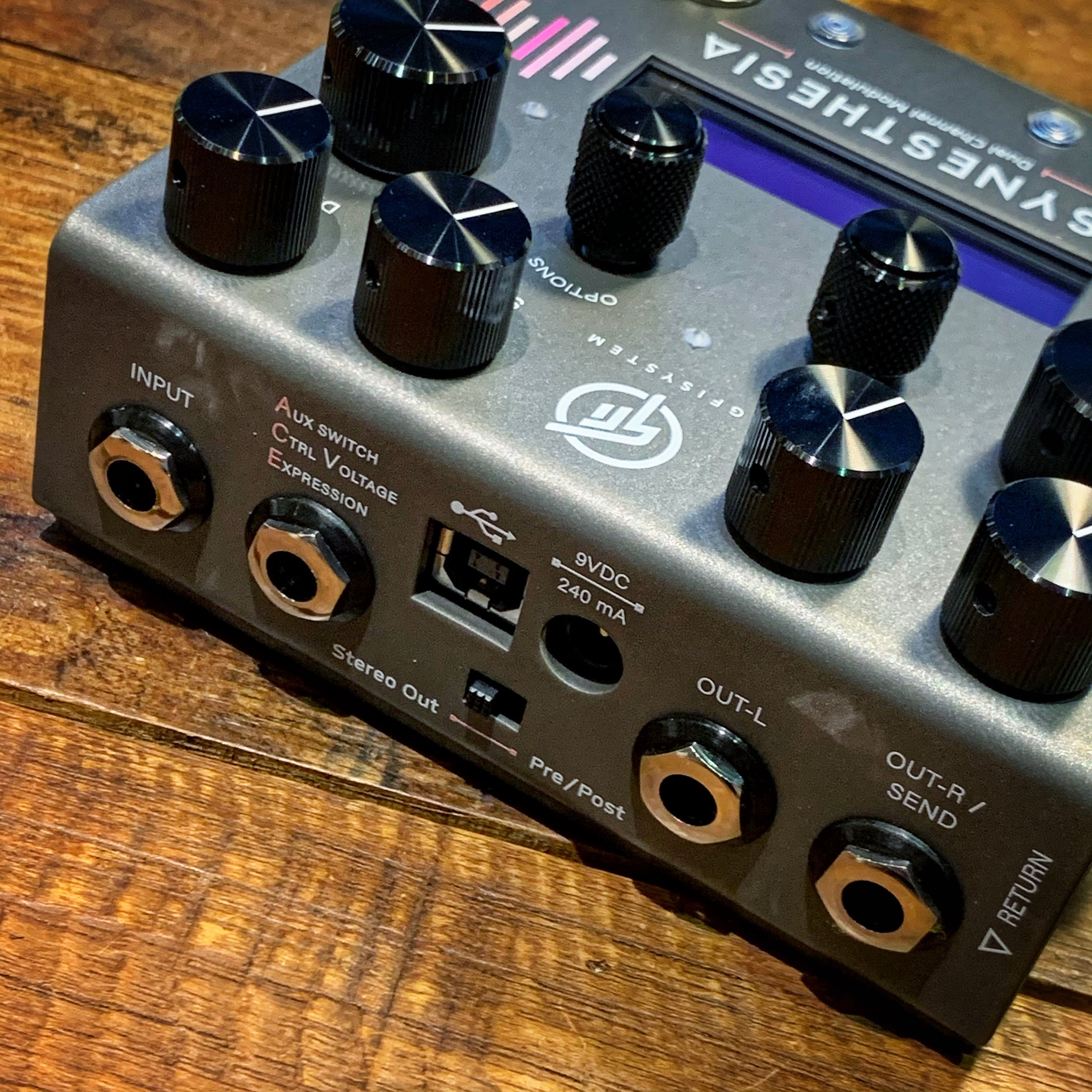
GFI System - Synesthesia Modulation
Sold Out
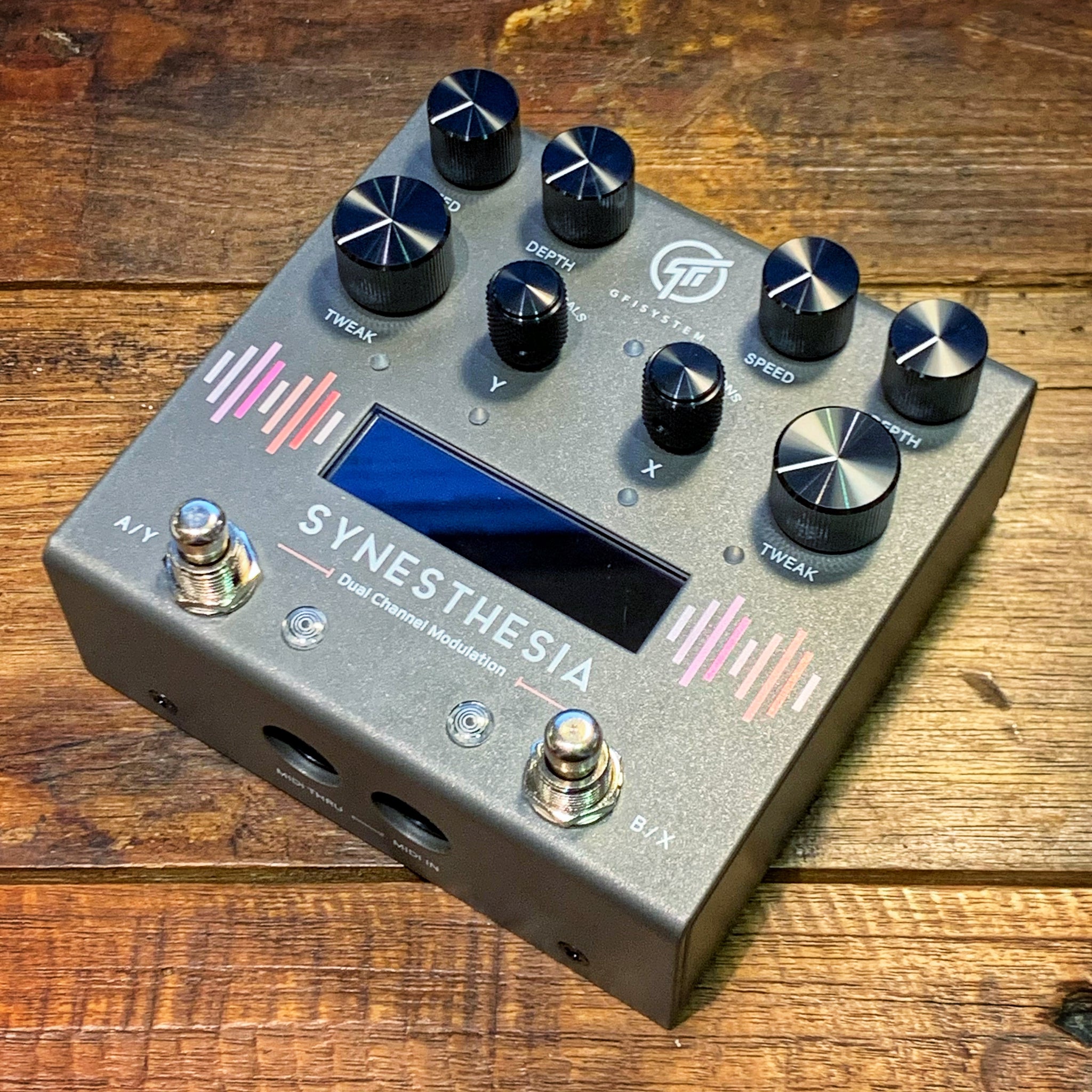
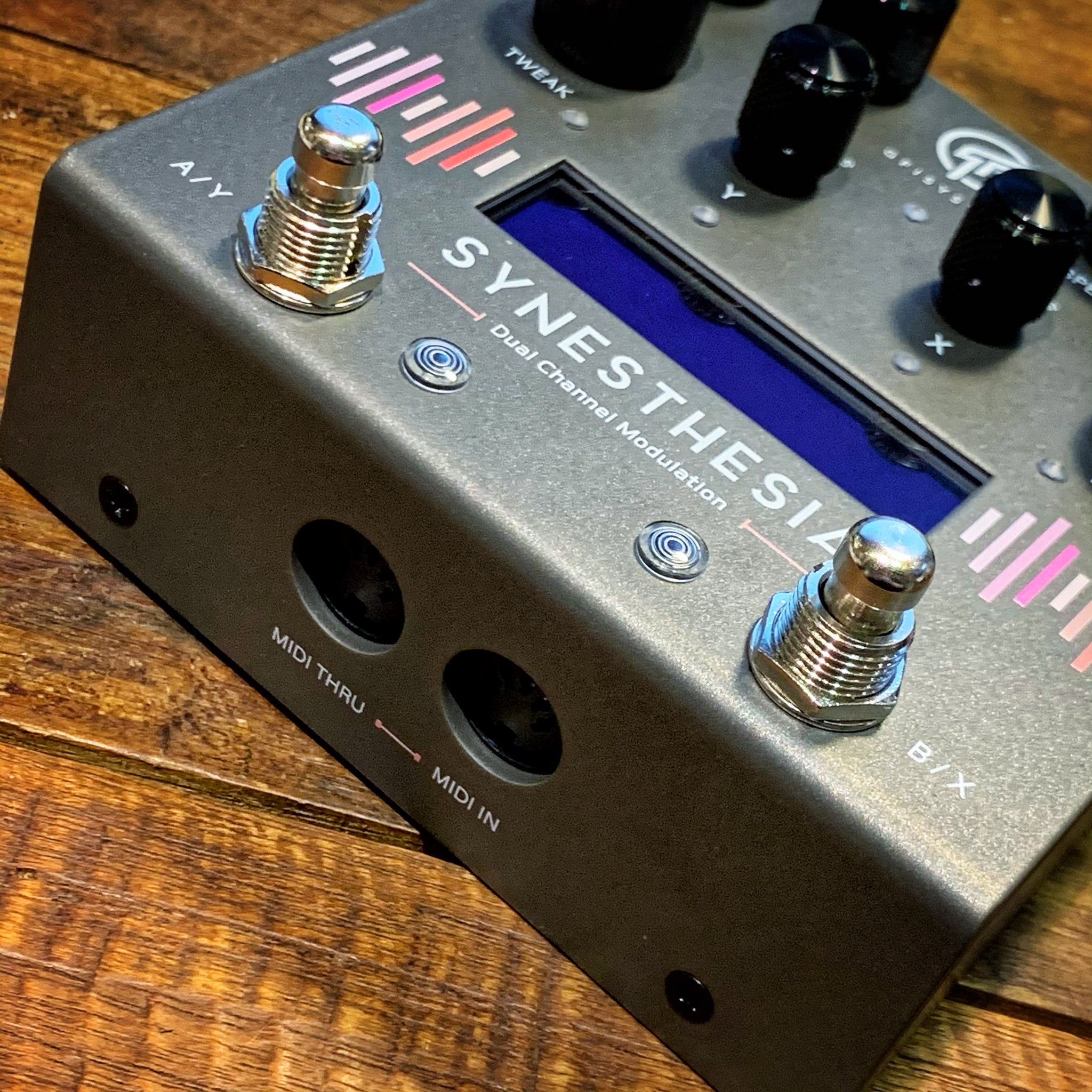
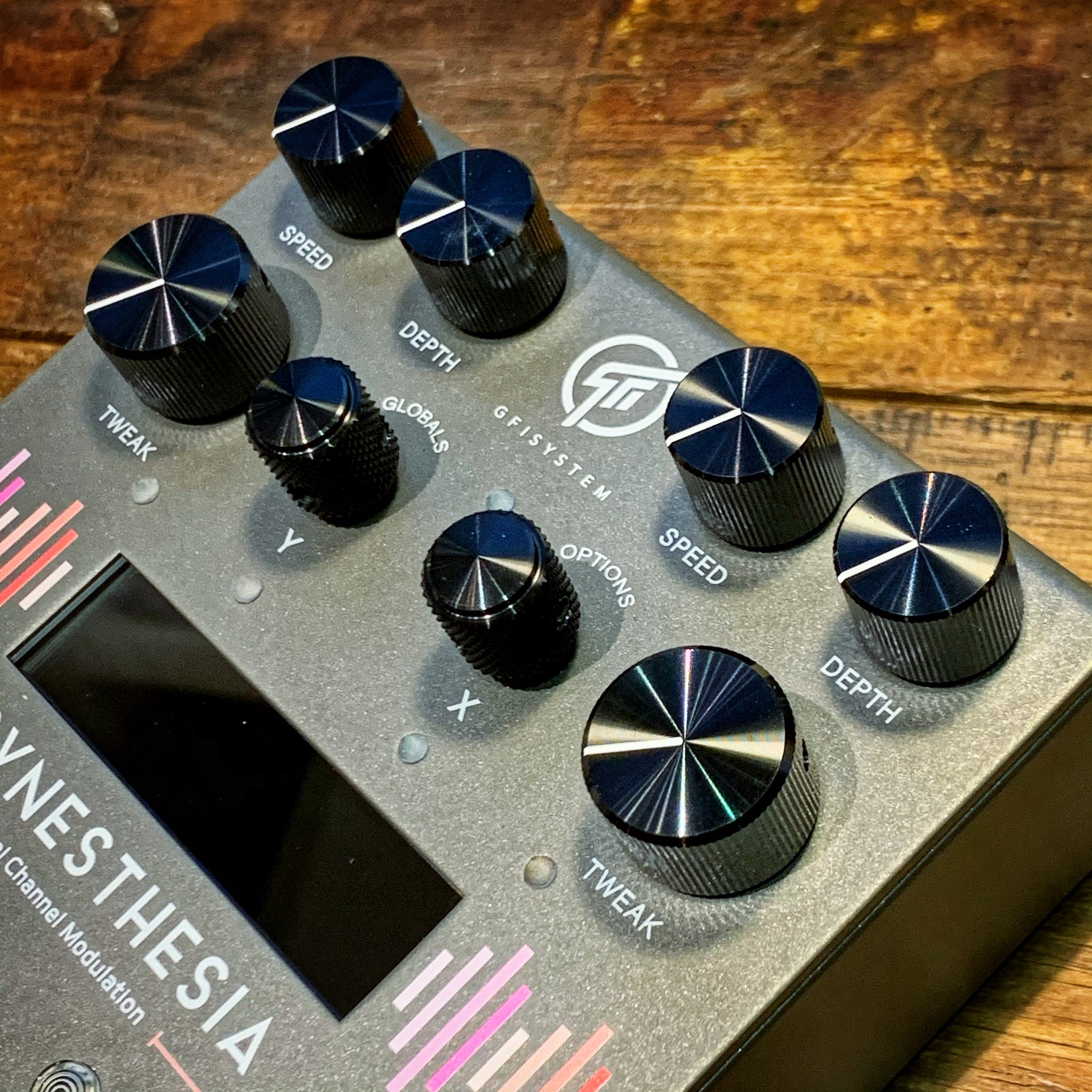
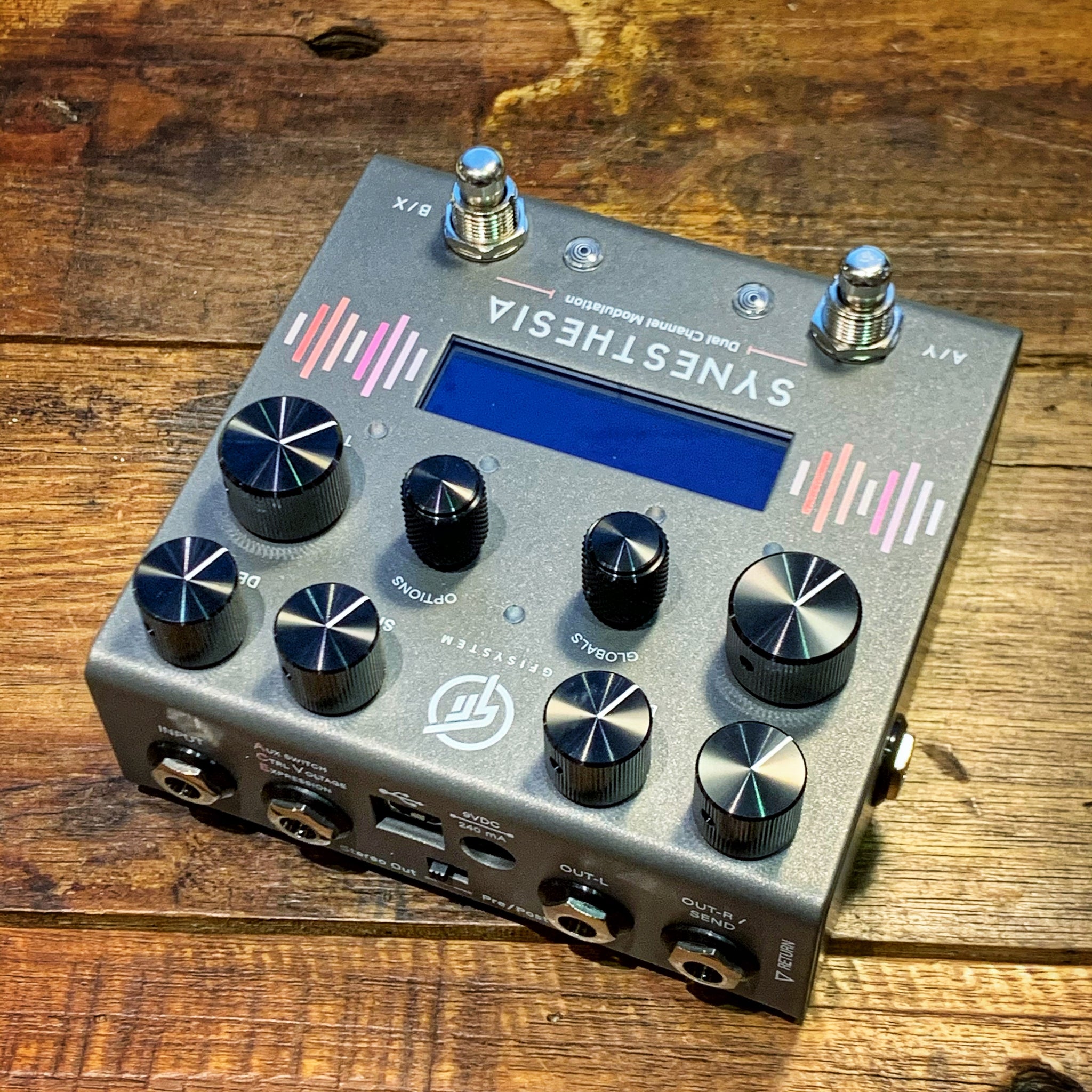
Synesthesia is an advanced, yet user friendly dual-channel multi-modulation engines, capable of running two modulation algorithms simultaneously. Packed with 37 classic and modern algorithms and 3 different DSP routing schemes...
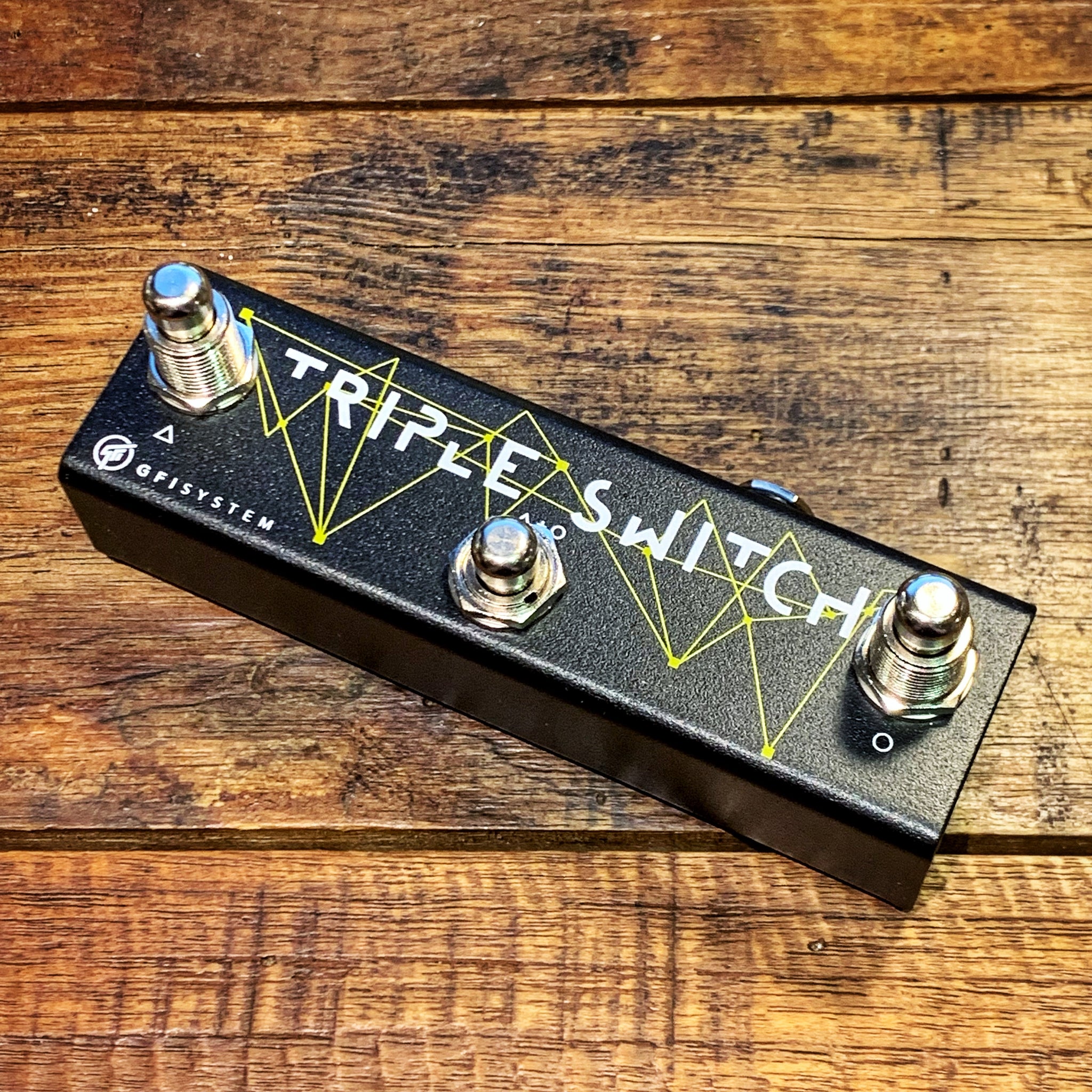
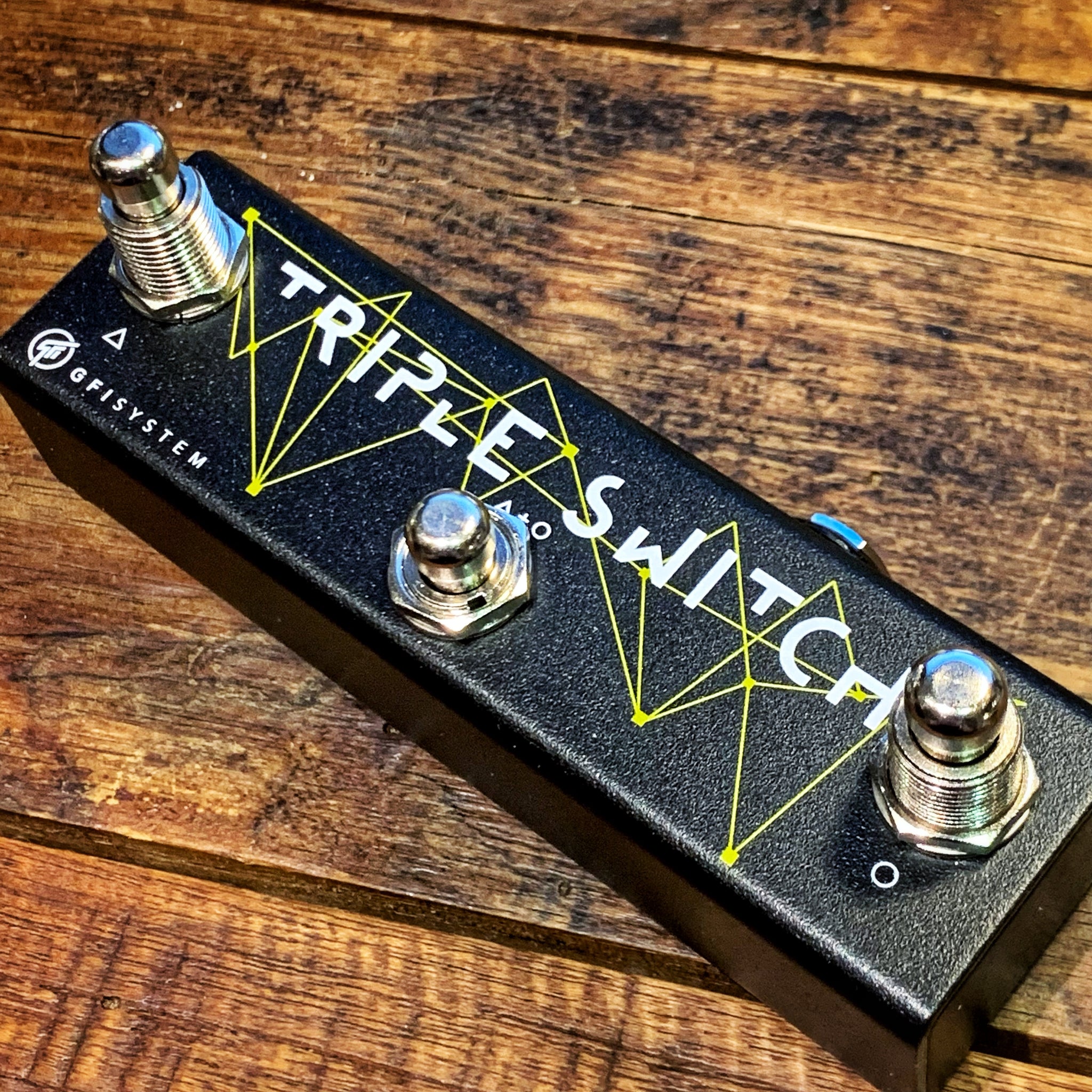
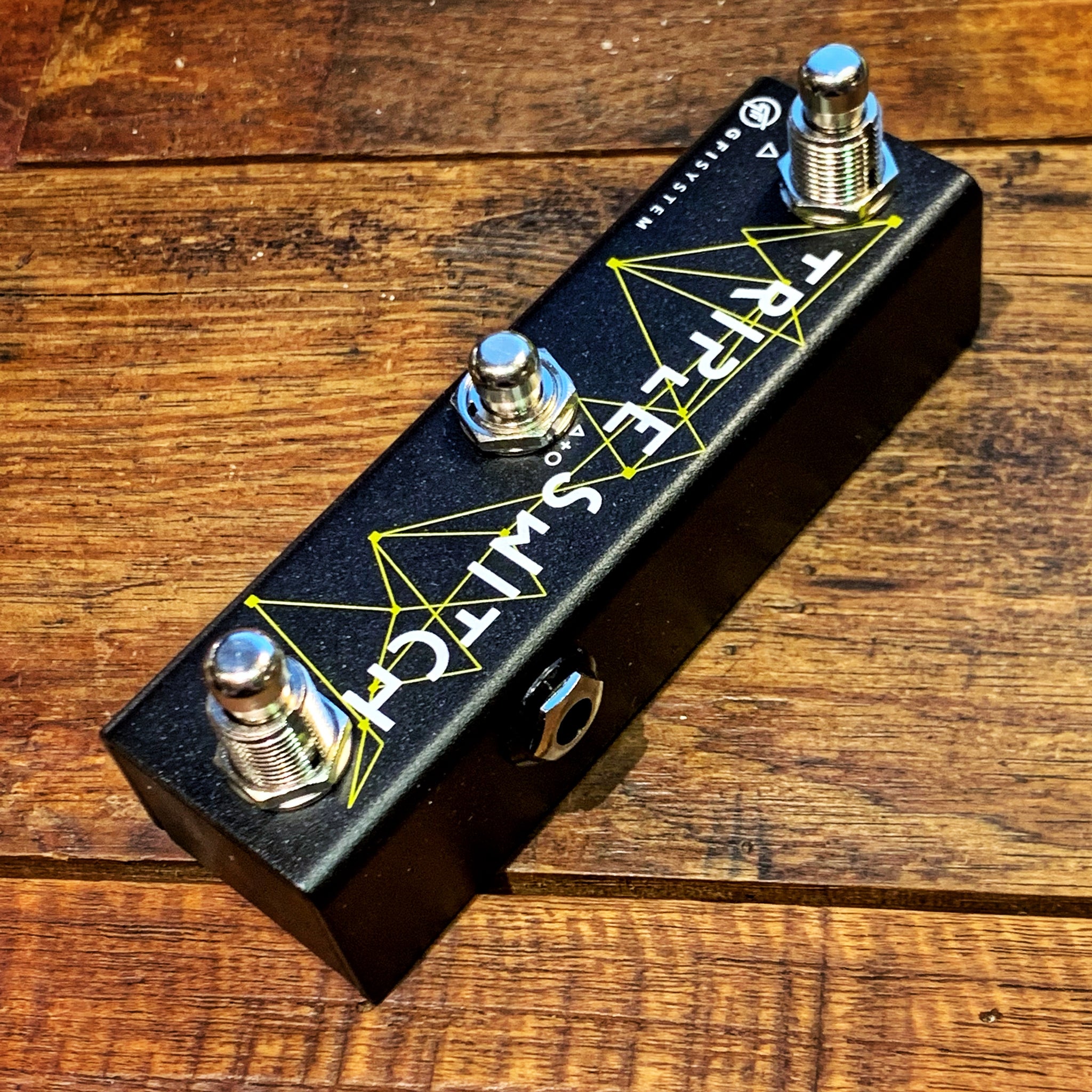
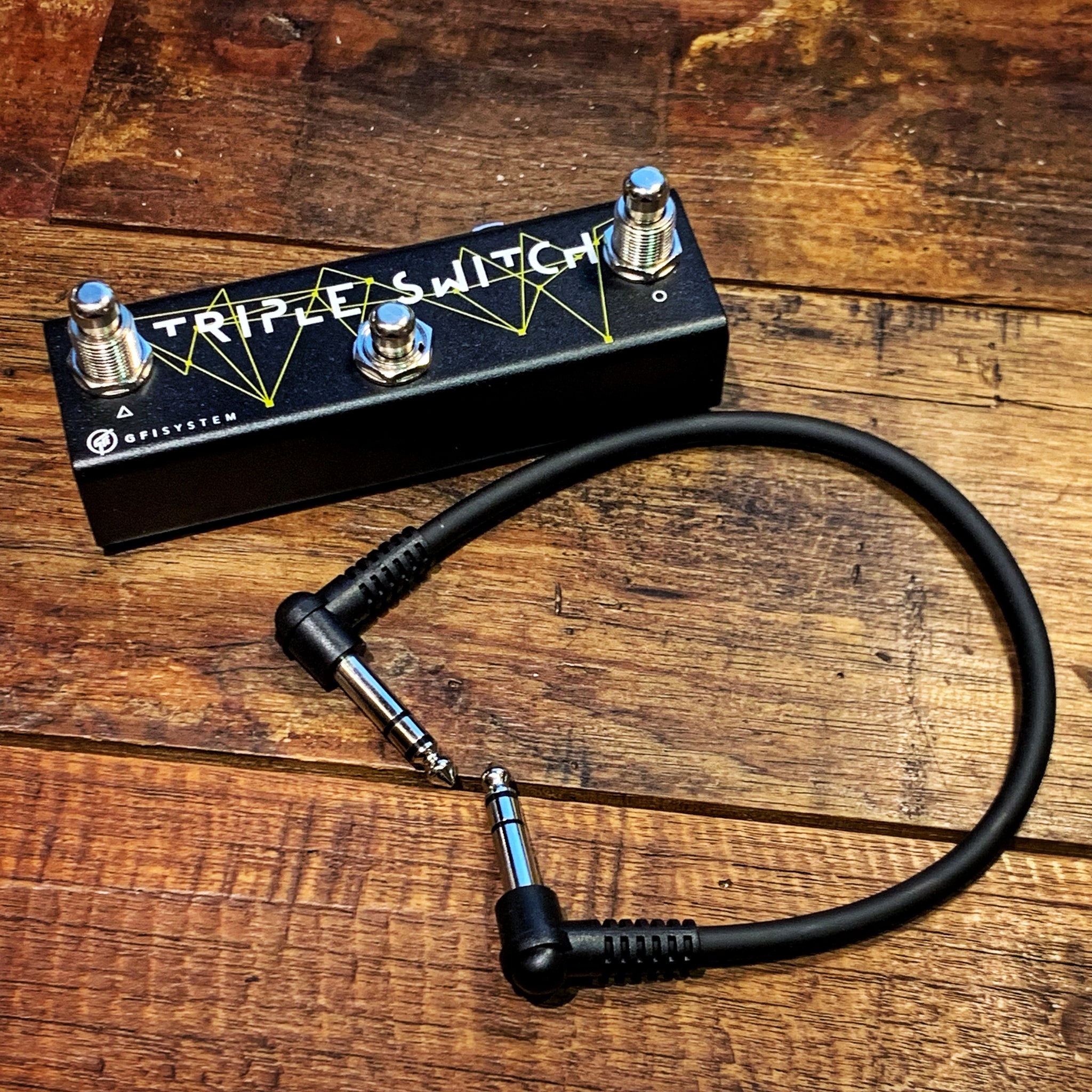
GFI System - Triple Switch
$280.00 $565.00
Triple Switch provides 3 momentary and normally-opened switch contacts that you can use to unlock the full potential of controls and features of your pedals that possess external control capability....
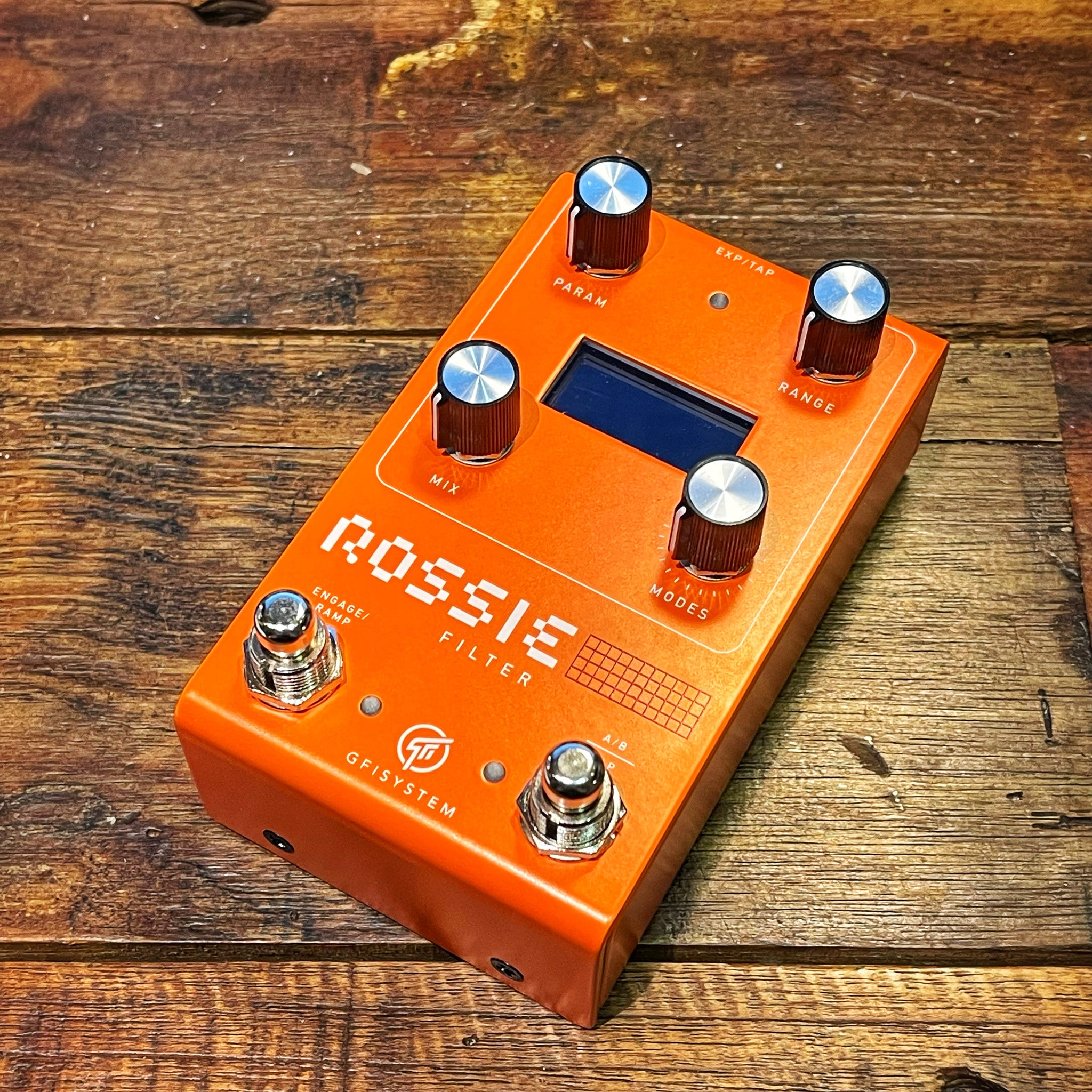
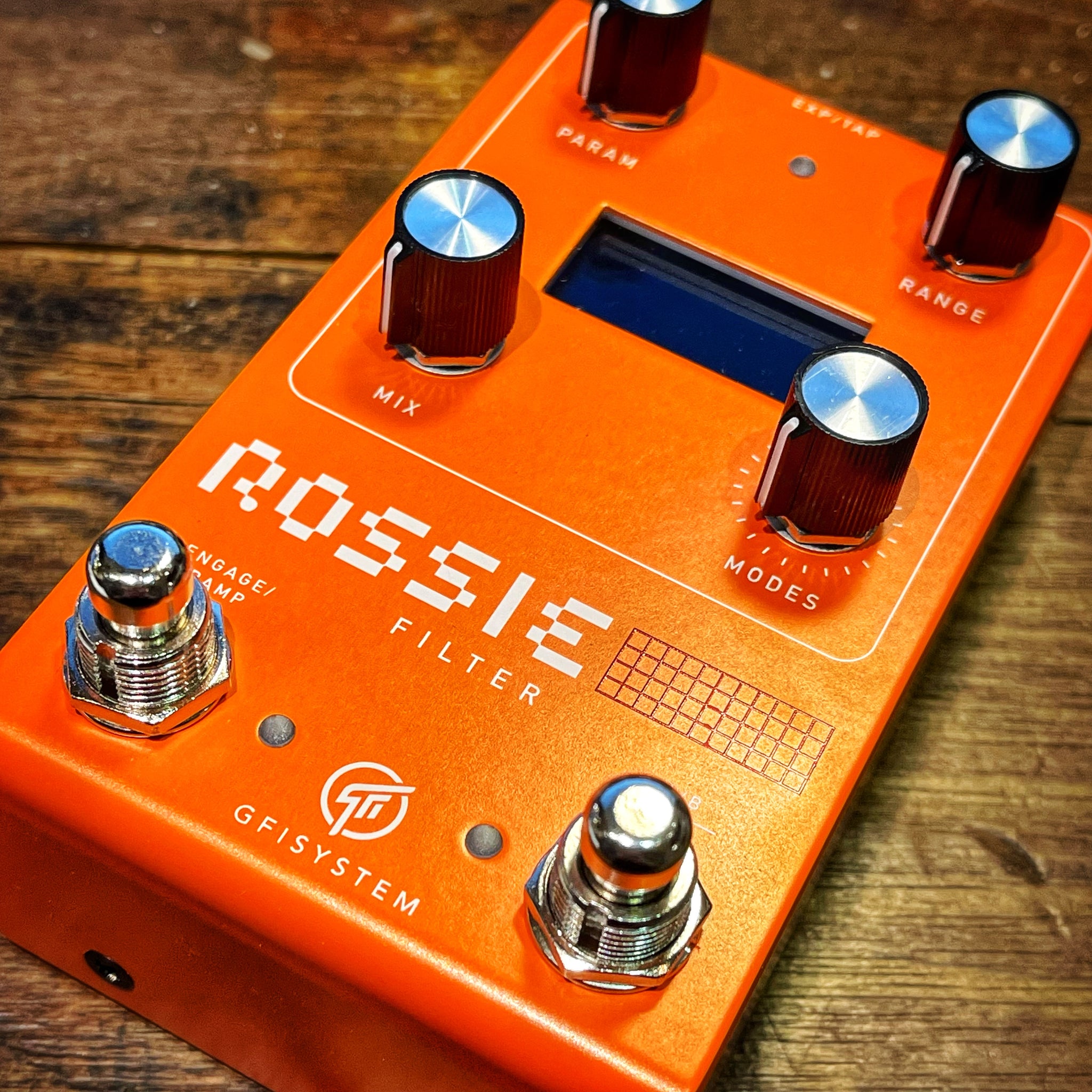
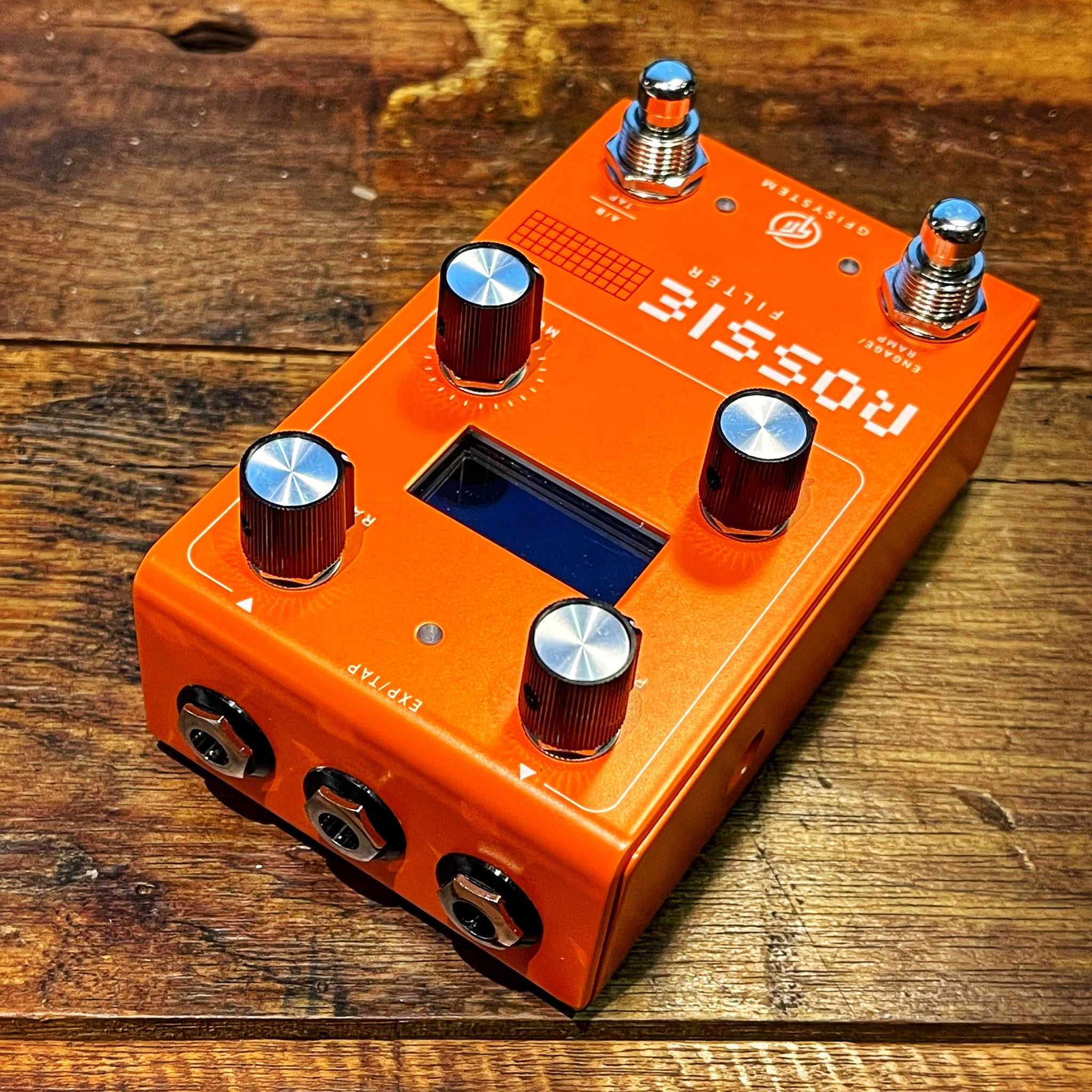
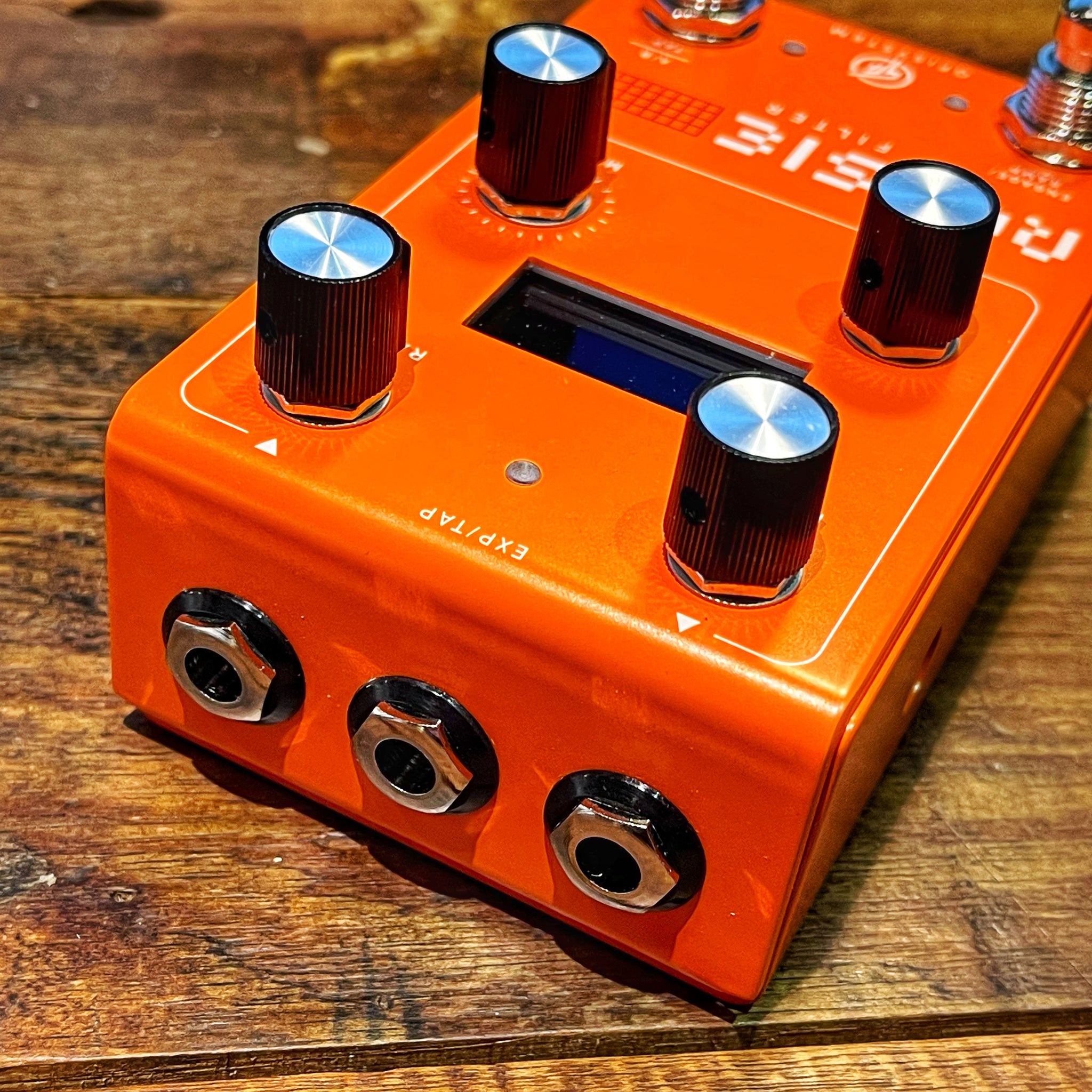
GFI System - Rossie
Sold Out
Rossie is a dynamic multi-filter pedal, encompassing 3 essential tone-enriching filter effects: Envelope Filter - a colorful resonant filter that follows your picking dynamics Step Filter - a groovy, arpeggiated...